by Lorato | May 20, 2026 | All News, Alumni, SMU Media, Student Media
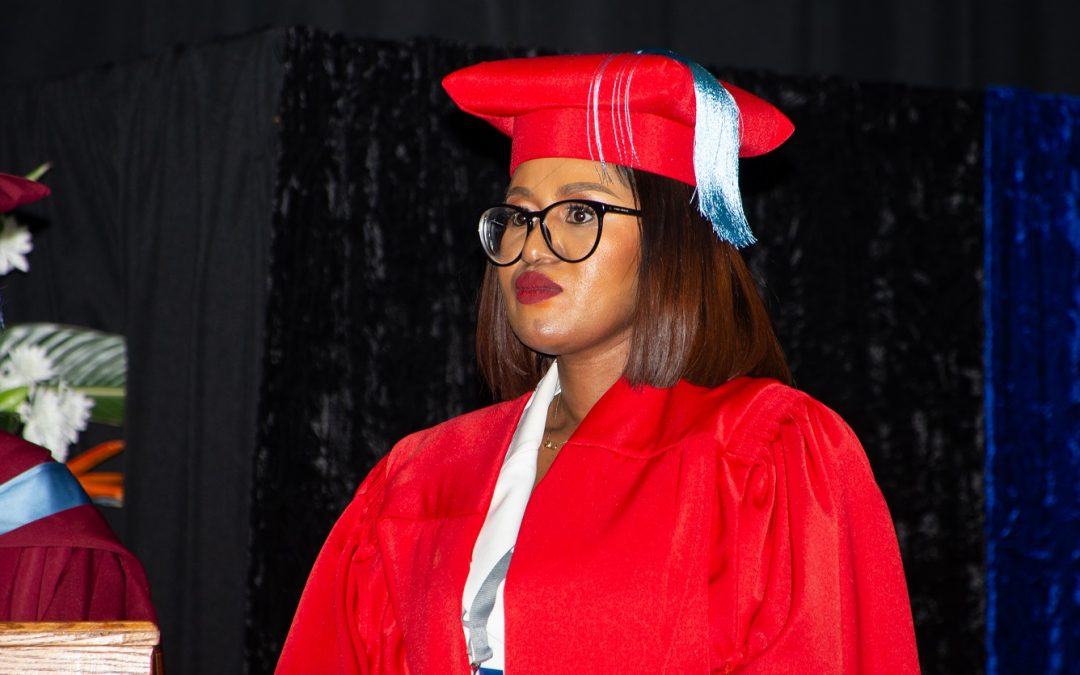
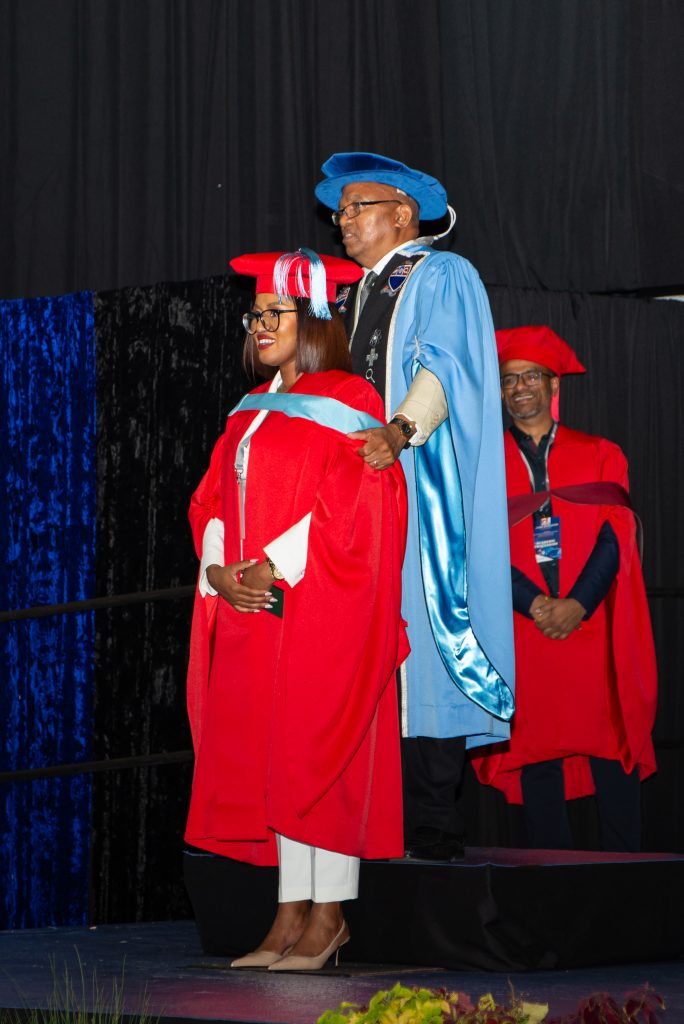
Sefako Makgatho Health Sciences University celebrated a major academic milestone during its 2026 autumn School of Pharmacy graduation ceremony as Lerato Sarah Mosima graduated with a Doctor of Philosophy in Pharmacy degree for her pioneering research into the accessibility of radiopharmaceuticals in English-speaking African countries.
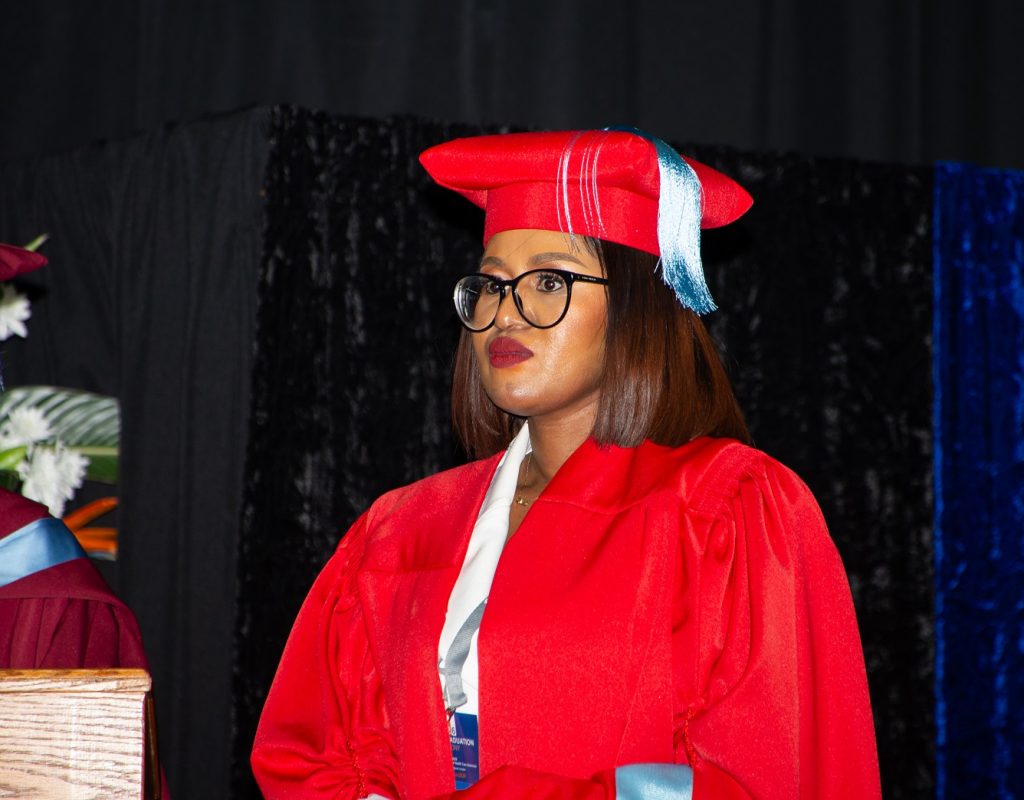 Dr Mosima’s doctoral study, titled Accessibility of Radiopharmaceuticals in English-speaking African Countries, examined the severe shortages and inequalities affecting access to nuclear medicine services across the continent. Her research highlighted the urgent need for investment, infrastructure development, regional collaboration and policy intervention to improve access to lifesaving diagnostic and therapeutic radiopharmaceuticals.
Radiopharmaceuticals play a critical role in the diagnosis of diseases such as cancer, cardiovascular diseases and neurodegenerative disorders, and the treatment of different types of cancers. However, Dr Mosima’s findings revealed that many African countries continue to face significant barriers in accessing these specialised healthcare services.
Speaking about the significance of her research, Dr Mosima said: “The study demonstrated that accessibility to radiopharmaceuticals in English-speaking African countries remains severely limited due to major gaps in infrastructure, equipment, trained personnel and procurement systems. Without urgent intervention, some countries risk losing these critical healthcare services entirely.”
The study employed a cross-sectional mixed-method design involving nuclear medicine professionals, such as radiopharmacists, medical physicists, nuclear medicine physicians and nuclear medicine technologists from thirteen English-speaking African countries. Data were collected between May 2023 and May 2024 through online questionnaires and focus group discussions.
The research found that countries such as Cameroon, Ghana, Mauritius, Zambia and Zimbabwe have only one nuclear medicine facility each, while Zambia was reported to have imaging equipment older than 33 years.
 Dr Mosima also identified that only Kenya and South Africa currently offer Positron Emission Tomography (PET) services, while theragnostic — an advanced form of targeted cancer treatment — is extensively practised only in South Africa.
“Participants raised serious concerns about the high cost of radiopharmaceuticals, inadequate infrastructure and the shortage of trained personnel across the region,” she explained. “There is also limited awareness of nuclear medicine and radiopharmacy among healthcare stakeholders and policymakers, which further delays investment and development.”
One of the major contributions of the study was the development of a radiopharmacy database mapping the geographic distribution of radiopharmaceutical infrastructure in English-speaking African countries. The database provides a visual overview of service availability and existing gaps across the region.
Currently serving as an nGAP lecturer in the Department of Pharmaceutical Sciences at SMU, Dr Mosima has built an impressive academic and professional profile in radiopharmacy. She previously obtained both her Master of Pharmacy in Radiopharmacy and Doctor of Pharmacy qualifications from SMU, after completing degrees in Pharmacy and Diagnostic Radiography at the University of Limpopo.
Her growing body of scholarly work includes multiple peer-reviewed publications in international journals focusing on radiopharmacy services, radiation exposure, healthcare access and nuclear medicine development in Africa.
Dr Mosima said collaboration would be essential in transforming radiopharmaceutical services across the continent. “Regional governments, healthcare institutions and international partners need to work together to establish local production facilities, strengthen procurement networks and expand training opportunities. Improving access to radiopharmaceuticals is ultimately about improving equitable healthcare access for African patients,” she said.
The achievement reflects SMU’s continued commitment to advancing innovative health sciences research that addresses pressing healthcare challenges facing South Africa and the African continent. Through cutting-edge research, postgraduate training and academic excellence, the university continues to position itself as a leading institution driving transformation, innovation and healthcare advancement in Africa.
By Tumelo Moila
by Lorato | Oct 23, 2025 | All News, SMU Media, Student Media
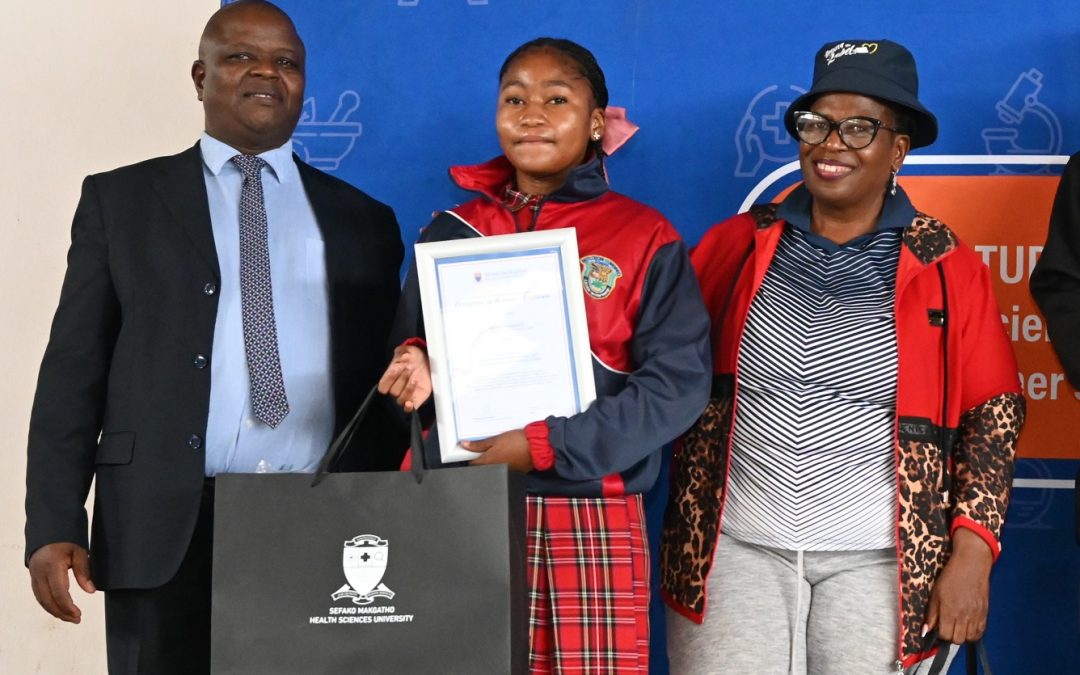
The future of science and innovation begins in the classroom — and this year, that future shone brightly as Sefako Makgatho Health Sciences University (SMU) launched its transformative Mathematics, Sciences & Technology (MST) Awards programme. More than an academic initiative, the MST Awards are a bold signal of SMU’s mission to ignite excellence, inspire ambition, and reimagine university recruitment in communities rich with talent but historically overlooked.
 In a powerful collaboration with the Limpopo Department of Education – Mopani East District and the Gauteng Tshwane West District Department of Education, SMU has taken its message of hope and opportunity directly into schools, not just to celebrate top achievers, but to reposition the university as a home for Africa’s next generation of scientists, innovators, and health professionals.
The MST Awards recognise excellence in Mathematics, Physical Sciences, and Life Sciences — foundational subjects for careers in STEM and health sciences. Yet the programme is more than a celebration of academic success. It is an intentional act of transformation, reaching into classrooms to affirm young learners that they are seen, they are capable, and they belong at institutions of higher learning.
The first MST Awards ceremony was held at Sekgosese High School in Limpopo’s Mopani East District, where learners, teachers, and officials gathered in celebration of schools whose academic outcomes have defied the odds. Among the schools honoured were Sekgosese Secondary School and Motloboni Combined School, whose learners continue to rise despite systemic challenges.
 Building on this success, the programme moved to Gauteng, where Kgatoentle Secondary School hosted the second leg of the MST Awards, in collaboration with the Tshwane West District. Here, IR Lesolang and Reitumetse Secondary School were among the recognised institutions for excellence in science education.
These celebrations were not just about honouring individual learners — they were about elevating entire school communities, encouraging educators, and creating a space where academic ambition is nurtured, not marginalised.
A forward-thinking vision for student recruitment
SMU’s role in this programme is both strategic and deeply rooted in its transformative vision. For learners, the awards are a visible reminder that their dreams of becoming health sciences professionals are within reach. For teachers, it is an affirmation of their role as nation-builders. For the broader community, it is a declaration that no learner should be left behind because of geography, circumstance, or a lack of exposure.
“The MST Awards are not merely about recognising achievement, they are also about disrupting outdated models of university recruitment and rewriting the narrative of who gets to access quality higher education,” said Tshimangadzo Mphaphuli, a strategic communications leader at SMU.
Together with Ntsheu Collins Mangena, the visionary behind SMU’s progressive student recruitment strategy, Mphaphuli has been instrumental in repositioning the university as a destination of choice for top-performing STEM learners, especially those from communities historically excluded from such opportunities.
 “These awards are a deliberate, strategic investment,” Mphaphuli continues. “They affirm to high-achieving learners that SMU doesn’t just welcome them, we see them, believe in them, and are ready to walk with them all the way to graduation. This is not traditional recruitment. This is nation-building through academic transformation.”
The MST Awards are part of a broader recruitment strategy championed by Mangena, a forward-thinking student recruitment leader who is shifting the paradigm of university engagement.
“At SMU, we are not waiting for talent to find us; we are going out to find it, especially in places where it has been historically ignored or underestimated,” said Mangena. “This programme is about recognising brilliance where it exists, not just where it is expected. We are targeting the cream of the crop, yes — but also building bridges for the next generation of learners who, with the right support, will become South Africa’s future health science leaders, researchers, and innovators.”
Mangena’s vision is grounded in a belief that academic excellence should not be a privilege of proximity, but a reality for all learners with potential from township classrooms to rural school halls.
Impacting lives, shaping futures
Grade 12 learner Phomolo Rambau, an award recipient from Sekgosese High School, expressed gratitude and a renewed sense of direction. “I am very happy and grateful for this recognition. It motivates me to study even harder and to pursue my dream of studying health sciences at SMU,” she said with pride.
Through this initiative, SMU is strengthening its ties with schools and education districts, while redefining what it means to recruit — not just students, but potential, purpose, and promise.
Beyond the trophies and certificates lies a deeper message: that every learner has the power to lead, to innovate, and to contribute meaningfully to South Africa’s future. By walking into school halls and shaking the hands of tomorrow’s leaders today, SMU is living out its commitment to be a university not just of academic excellence but of transformation, access, and impact.
By Dimakatso Modise
by Lorato | Sep 10, 2025 | All News, SMU Media, Student Media
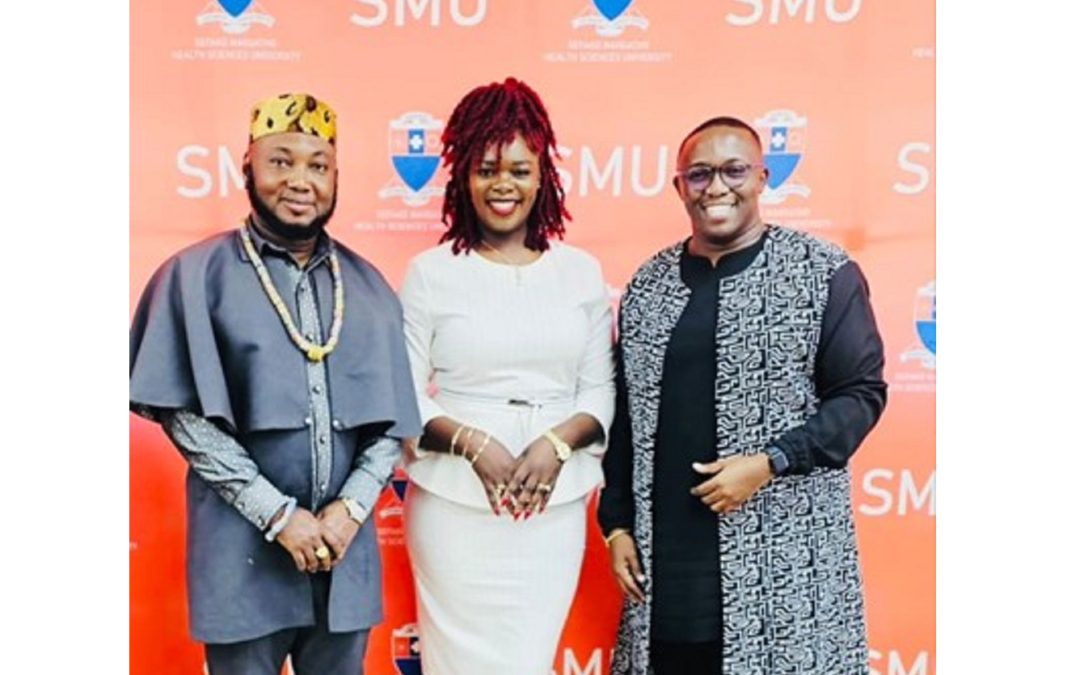
The Ghana Royal Visit to South Africa, held recently over two days, marked a significant milestone in strengthening diplomatic, cultural, and developmental relations between Ghana and South Africa. The initiative, expertly coordinated by Professor Martha Chadyiwa, Associate Professor in the Department of Public Health at Sefako Makgatho Health Sciences University (SMU), successfully brought together key stakeholders and ensured the seamless execution of the programme.
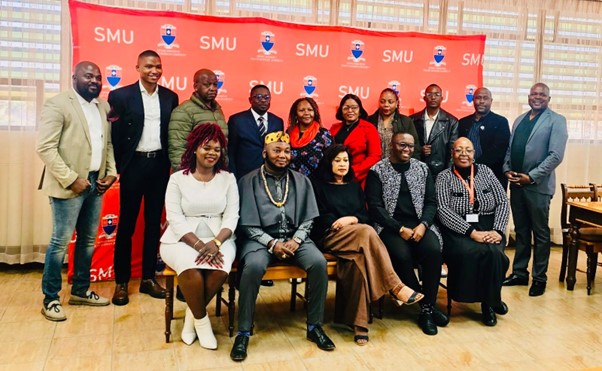 “The Ghana Royal Visit represents more than a ceremonial exchange; it is a platform for meaningful collaboration and cultural diplomacy,” said Professor Chadyiwa.
The delegation was led by Nana Obokese Ampah I, representing His Majesty Daasebre Kwebu Ewusi VII, Paramount Chief of the Abladze Traditional Area and Board Chairman of the Ghana Chieftaincy Awards. The visit formed part of the broader 3rd Ghana Chieftaincy Awards and Royal Investment Summit, scheduled to take place in Kumasi, Ghana, in October 2025.
Hosted by the Office of Kgosana Koketso Rakhudu & Partners (OOKKR), the Koketso Rakhudu Foundation, and SMU, the visit included engagements in Rustenburg and surrounding villages, as well as academic collaboration at SMU. The initiative received strong support from the Black Star Experience Secretariat, the National House of Chiefs, the Obokese Foundation, and the Ghana Ministry of Foreign Affairs.
On Day One, the delegation commenced their visit at Ramokoka Village, where they were warmly welcomed. A graduation ceremony hosted by the Koketso Rakhudu Foundation celebrated local achievements and offered cultural immersion for the Ghanaian delegates. The evening concluded with a formal Welcome Dinner at the Royal Marang Hotel, featuring diplomatic introductions, presentations on the ten-year impact of OOKKR, and cultural exchanges, including ceremonial gift-giving and blessings.
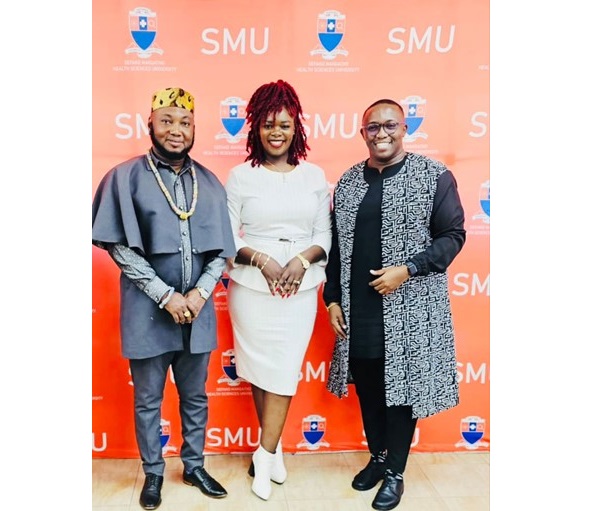 Reflecting on the day, Nana Obokese Ampah I said: “We are honoured to witness the resilience and vibrancy of South African communities. This visit strengthens the bonds between our nations and underscores the value of traditional leadership in modern society.”
Day Two focused on cultural immersion and academic engagement. The delegation visited multiple villages, gaining insight into South African traditional heritage and community initiatives. A traditional lunch provided informal networking opportunities, fostering cross-cultural dialogue. At SMU, the delegation was formally received by Vice-Chancellor Professor Tandi Matsha-Erasmus, Acting Deputy Vice-Chancellor: Academic and Research, Professor Dini Mawela, and senior academic leaders. Discussions highlighted collaborative opportunities in healthcare education, research, and community health projects.
Professor Tandi Matsha-Erasmus commented: “Engaging with the Ghanaian delegation allows us to expand our academic and community partnerships, creating shared opportunities for development and innovation across borders.”
The visit achieved significant outcomes across multiple domains. Foundations for educational collaboration were established, community development initiatives were planned, and cultural diplomacy was strengthened through ceremonial and interpersonal exchanges. Logistical arrangements were executed efficiently, ensuring a smooth and culturally sensitive programme.
Strategically, the visit established a framework for long-term Pan-African collaboration, combining institutional partnerships, grassroots engagement, and traditional leadership diplomacy. “Our aim is to build lasting relationships that empower communities and promote Pan-African solidarity,” said Dr Kennedy Amphofo, a member of the Ghana delegation.
Looking ahead, recommendations include extending future visits to allow deeper community integration, incorporating project development workshops, and strengthening follow-up mechanisms to implement collaborative initiatives.
The Ghana Royal Visit successfully strengthened cultural diplomacy, promoted cross-border academic partnerships, and advanced Pan-African collaboration. By blending formal institutional engagement with authentic cultural immersion, the mission laid a strong foundation for continued cooperation between Ghanaian and South African institutions, affirming the enduring significance of traditional leadership in modern development.
By Tumelo Moila
by Lorato | May 28, 2026 | All News, Alumni, SMU Media, Student Media
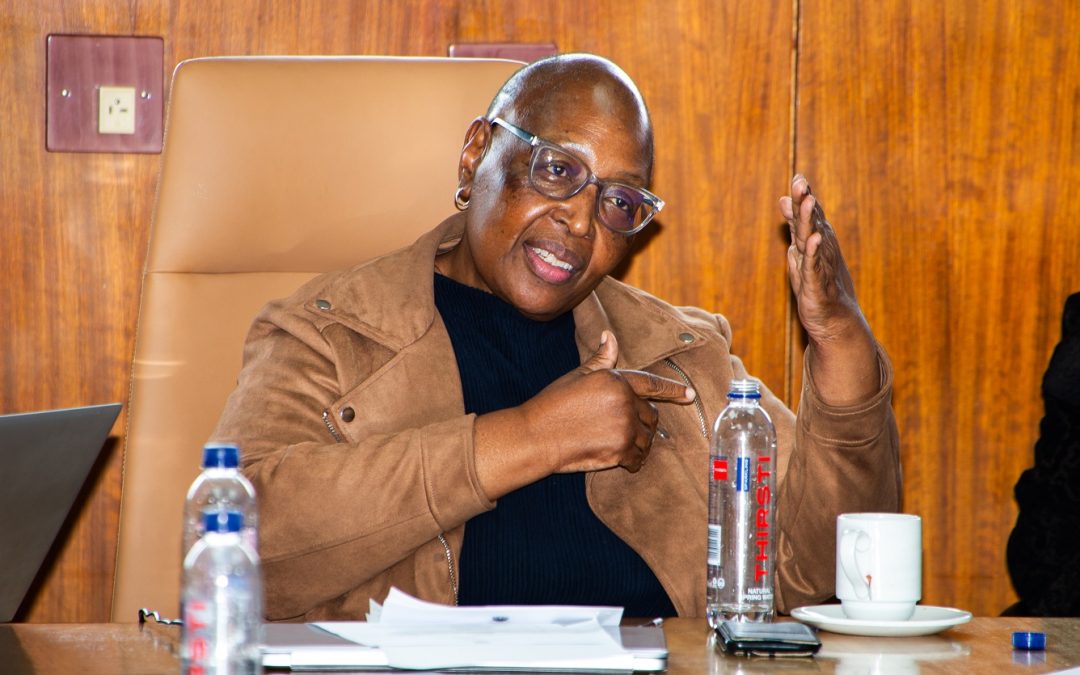
Sefako Makgatho Health Sciences University (SMU) has strengthened its position as a continental leader in health sciences education following a landmark clinical benchmarking session with Botswana’s private institution, Boitekanelo College.
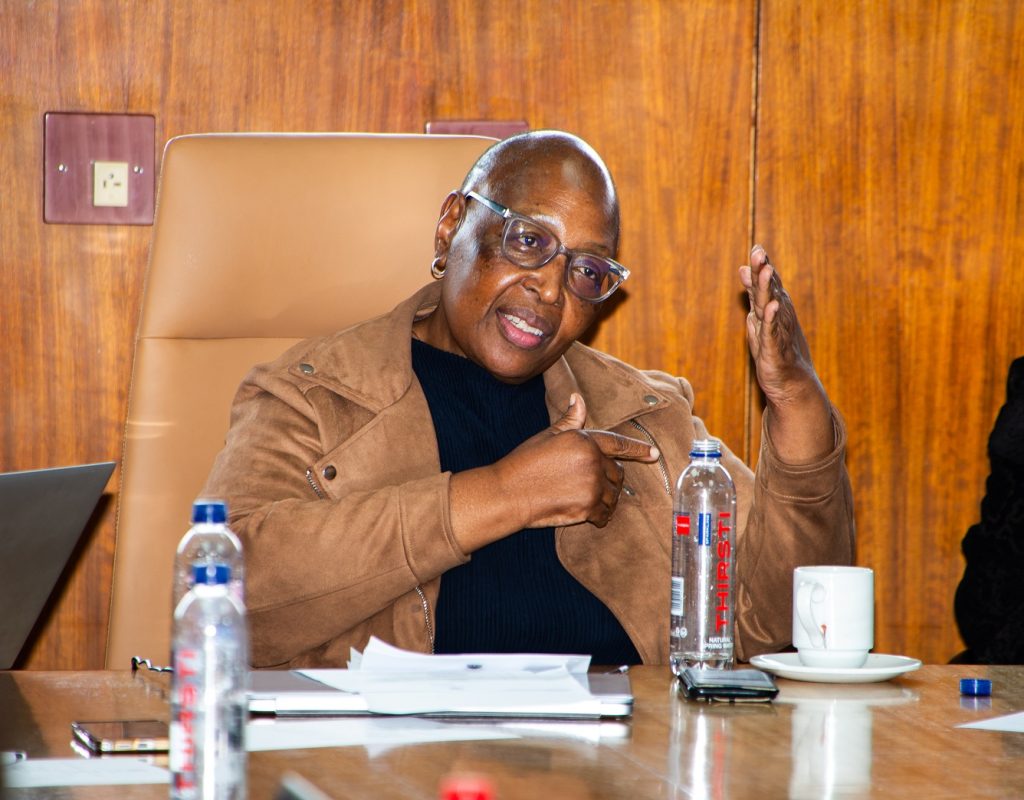 Hosted at SMU and led by acting Deputy Vice-Chancellor Professor Dini Mawela, the engagement operationalised the Memorandum of Understanding (MOU) signed between SMU and Boitekanelo College in September 2025. The visit marked a major step towards expanding African-led healthcare education partnerships across the SADC region.
Leading the Botswana delegation was Dr Tiro Mampane, SMU alumnus and founder and president of Boitekanelo College, who graduated from the university’s School of Medicine in 2003. Returning to his alma mater more than two decades later, Dr Mampane arrived with an ambitious vision to establish a school of dentistry in Botswana inspired by the SMU model.
“Of course, the journey has been very difficult but fulfilling because obviously I’m very passionate about it. It’s really close to my heart,” said Dr Mampane. “When I was here, I didn’t just learn medicine. I also saw what was going on in SMU. And basically, I want to replicate SMU in Botswana.”
Dr Mampane emphasised that health sciences programmes remain critical in addressing unemployment and strengthening healthcare delivery across the region. “Health programmes… the advantage about them is that currently, the sought-after employment rate with them is very high compared to other programmes,” he said.
The visit was coordinated through SMU’s Internationalisation Directorate under the leadership of Dr Carlien Jooste, who highlighted the university’s commitment to active and mutually beneficial African partnerships.
“My department advocates for partnerships that are mutually beneficial and active, which means that we do not enter into partnerships without evidence of collaboration already taking place,” Dr Jooste explained.
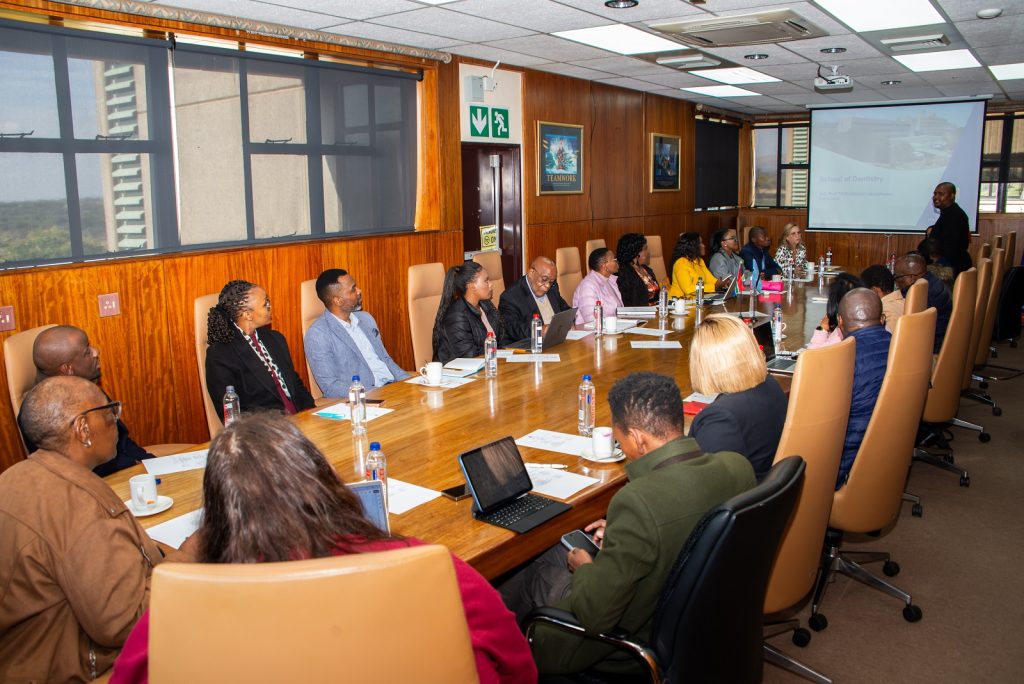 She added that the benchmarking visit followed extensive engagements in Gaborone earlier this year, where SMU academics and leadership interacted with Boitekanelo College and other institutions in Botswana. Those discussions showcased the strength of SMU’s dentistry programmes and inspired the current collaboration.
Importantly, Dr Jooste described the partnership as part of a wider shift toward African-centred academic development. “For years, universities in the Global South were dictated to by the Global North on how to internationalise,” she said. “Partnerships with SADC and other African countries now allow us to develop mutually beneficial partnerships on our terms.”
Boitekanelo College plans to implement the project through a phased academic rollout beginning with Oral Hygiene, progressing to Dental Therapy, and eventually introducing a full Dentistry degree programme. Dr Jooste stressed that benchmarking should promote adaptation rather than duplication.
“Benchmarking is not a copy-and-paste exercise,” she noted. “It is a learning exercise that allows you to take and implement what works for your programme and institution.”
The partnership framework also includes student clinical rotations, staff exchanges, collaborative teaching opportunities, and joint research initiatives aimed at strengthening healthcare systems across borders.
Following tours of the SMU Dental Hospital, the Botswana delegation acknowledged the scale of investment required to establish a world-class dental programme. However, the engagement reinforced confidence in the partnership’s long-term impact.
As discussions expanded into future regional community dentistry projects and collaborative healthcare initiatives, the benchmarking session reaffirmed SMU’s growing reputation as a premier African institution advancing excellence, innovation, and transformation in health sciences education.
By Rose Moreki
by Lorato | Apr 15, 2026 | All News, Alumni, SMU Media, Student Media
Sefako Makgatho Health Sciences University (SMU) continues to advance its mission of fostering student success through purposeful partnerships, most recently reaffirmed through a collaborative initiative with Absa Group Limited aimed at alleviating student hardship. The approval of student support for the first quarter of 2026 marks a significant milestone in the relationship between the two institutions, underscoring a shared commitment to academic excellence, social responsibility, and human-centred development.
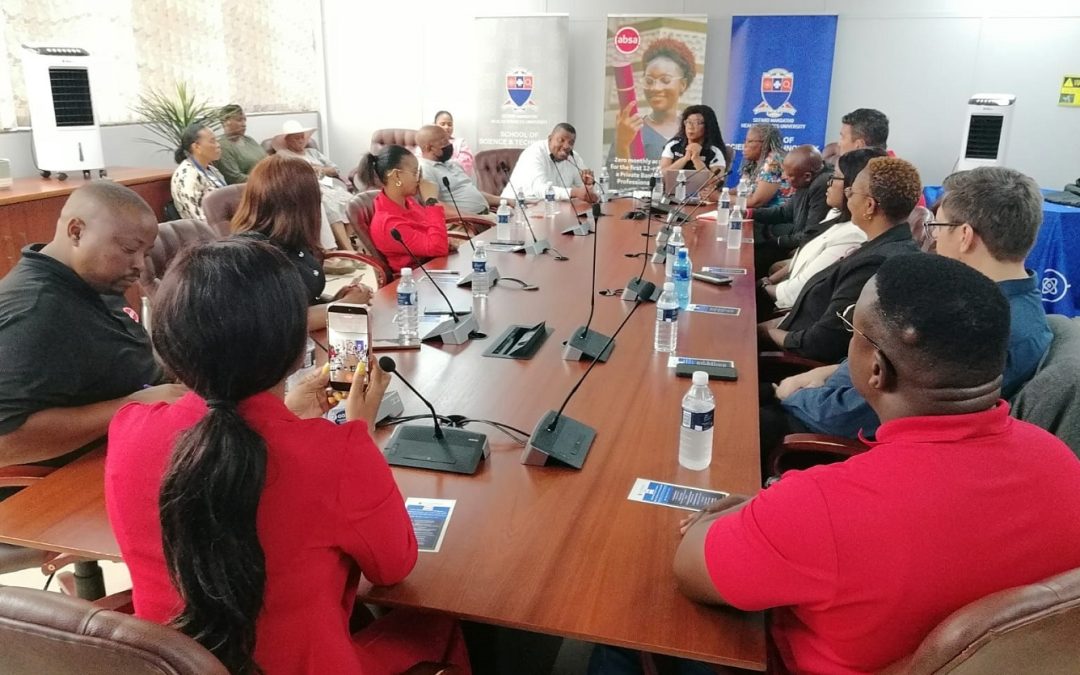
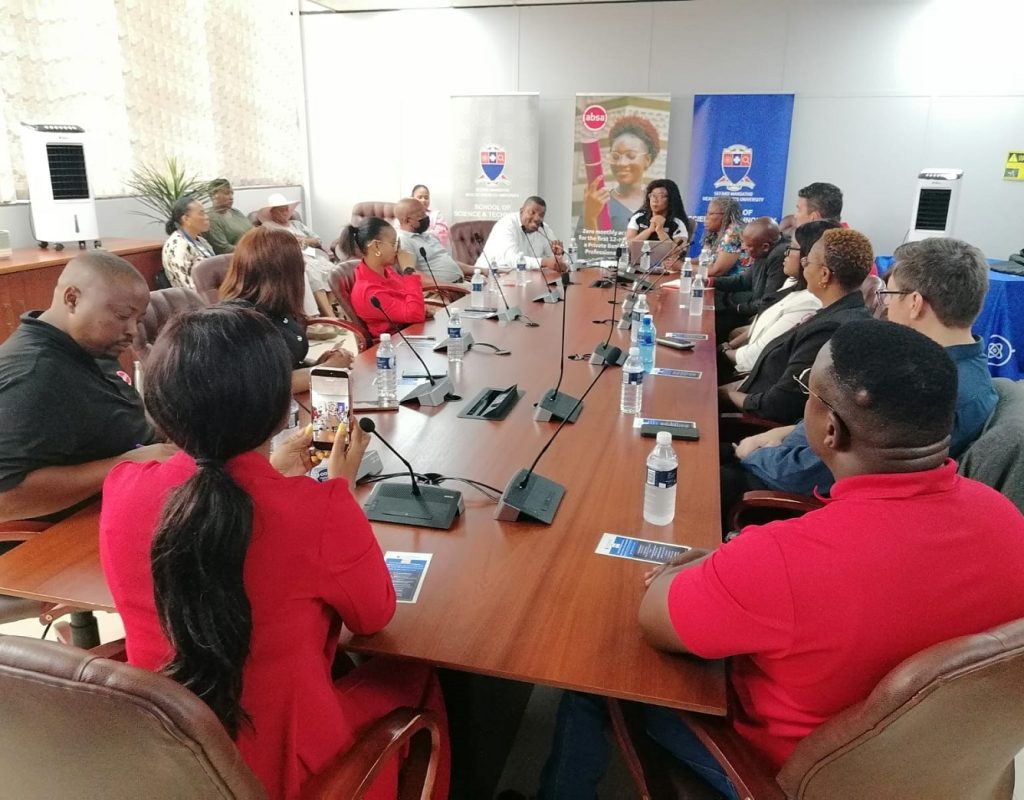 Recently, the School of Science and Technology (SST) hosted an official handover ceremony, welcoming a delegation of approximately twenty representatives from ABSA. The delegation included representatives from various ABSA branch offices across Tshwane, demonstrating a unified institutional commitment that extends beyond a single office to a broader organisational endorsement of student development initiatives at SMU. The engagement was not merely ceremonial; it reflected a deepening partnership grounded in empathy, responsiveness, and a mutual understanding of the structural challenges faced by students in higher education.
Leading the ABSA delegation was Salome Morulane-Khorommbi, a Private Wealth Banker whose personal narrative added depth to the occasion. Reflecting on her own academic journey, she said, “I understand, from lived experience, the frustration of pursuing your studies while lacking even the most basic necessities. It is precisely this understanding that compels us, as ABSA, to intervene meaningfully where we can, because no student should have to choose between survival and success.” She further emphasised the intentional nature of the partnership, noting that it forms part of a broader commitment to youth empowerment and educational advancement. “Our relationship with SMU is not transactional; it is intentional and value-driven. We recognise the critical role the university plays in shaping future professionals, and we are proud to contribute to that journey tangibly,” she added.
The delegation was formally received by Dr Esmey Baratwa Esther Moema, Operations Manager in the SST, representing the Dean, Professor Lawrence Obi. In her address, Dr Moema expressed both gratitude and strategic appreciation for the partnership. “We are deeply honoured by this gesture from ABSA, which speaks not only to generosity but to a genuine investment in the well-being of our students. The presence of multiple ABSA branches here today further affirms the strength and sincerity of this partnership,” she said. She also highlighted the broader implications of such initiatives within the higher education sector. “Financial distress remains one of the most significant impediments to student progression. By addressing these challenges directly, initiatives such as this create an enabling environment in which our students can focus on their studies with dignity and confidence,” she noted.
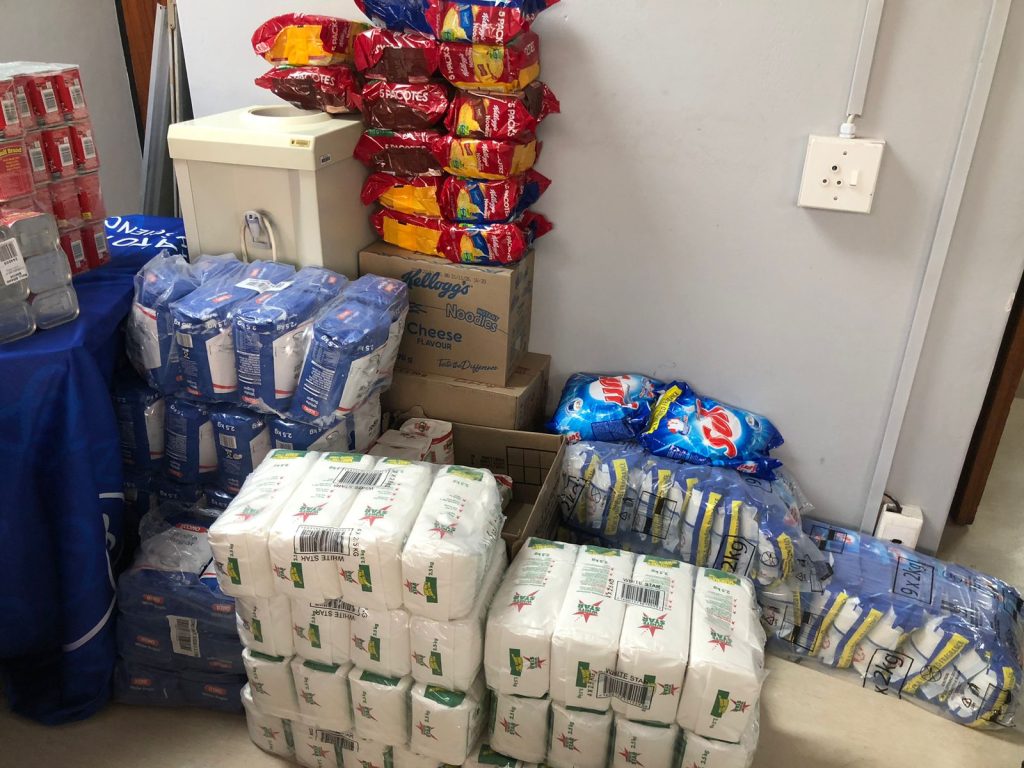 Central to the handover was the donation of groceries valued at R20,000, designated to support students in need. While modest relative to broader systemic challenges, the intervention carries both symbolic and practical significance. It reinforces the principle that student success is not solely an academic pursuit, but a holistic one that requires attention to fundamental human needs.
The initiative further reflects SMU’s institutional ethos, which prioritises inclusivity, resilience, and community upliftment. Through strategic partnerships with stakeholders such as ABSA, the university continues to position itself as a responsive and socially conscious institution, committed to transforming lives through education.
As the engagement concluded, both parties expressed a shared intention to sustain and expand the partnership. In a higher education environment increasingly shaped by complexity and constraint, such collaborations offer a compelling model for impact-driven engagement—bridging corporate responsibility with meaningful educational transformation. In doing so, SMU continues to affirm its role as a catalyst for academic excellence and social progress in South Africa.
By Dimakatso Modise
